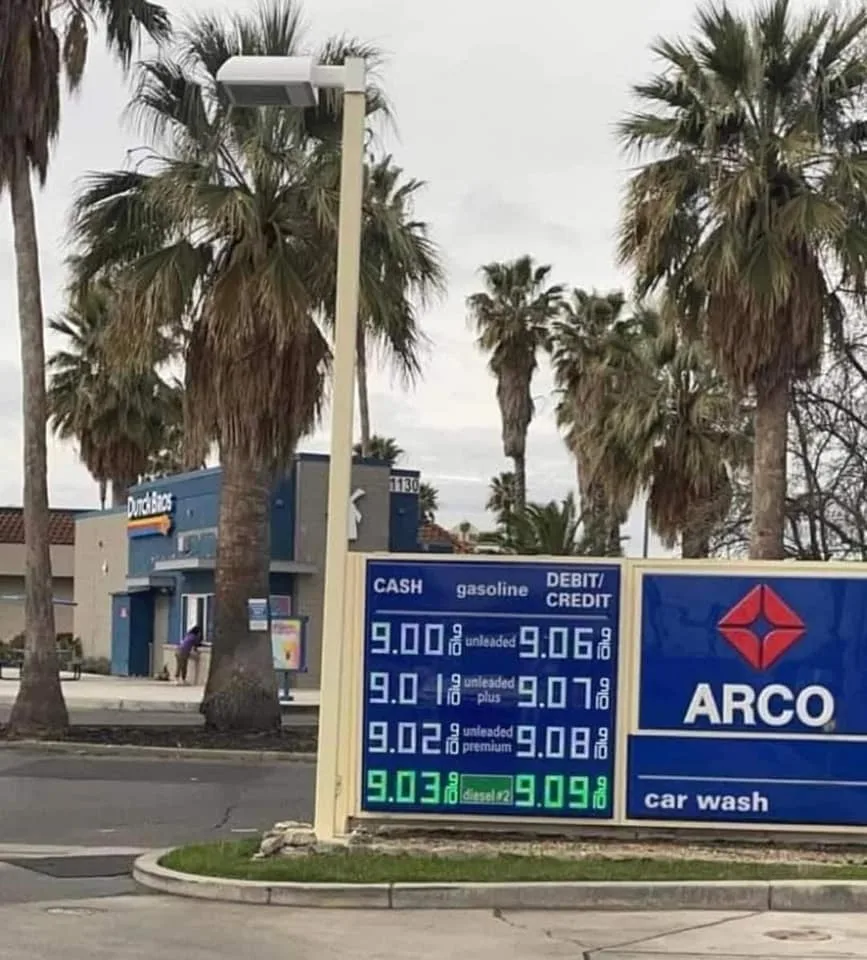
Skyrocketing Fuels Costs Will Affect Business Travel
Transportation companies across America continue to feel the effects of rising and fluctuating fuel prices. The impact extends across the travel industry, from airlines to chauffeured transportation and charter transportation providers.
For companies managing business travel, that matters because transportation costs are part of a much larger travel budget. Airport transfers, executive schedules, conferences, group programs, and longer-distance transportation can all become more expensive when fuel and other operating costs increase.
How Fuel Costs Affect Ground Transportation
Fuel is a recurring operating cost in professional ground transportation, and its impact varies by vehicle, mileage, and itinerary length.
Executive sedans and luxury SUVs may serve individual travelers, airport transfers, and business meetings, while Sprinter vans, minibusses, and motor coaches support larger groups and more complex travel schedules. Larger vehicles and longer itineraries naturally require more fuel.
For transportation companies operating vehicles throughout the week, even moderate fuel price changes can add up across an entire fleet.
What This Means for Business Travel Budgets
Higher operating costs can eventually affect transportation pricing. Providers cannot absorb every increase indefinitely, particularly when a trip involves longer distances, larger vehicles, or extended operating hours.
A short airport transfer, for example, has different operating requirements from a full-day executive itinerary or a multi-vehicle corporate program.
For companies arranging frequent corporate transportation, this makes advance planning increasingly important. Travel managers, executive assistants, and operations teams benefit from knowing the itinerary, vehicle requirements, and transportation costs before the trip begins.
California Adds Another Cost Consideration
Fuel prices in California have historically been higher than in many other parts of the country, which adds another operating consideration for transportation companies serving the Bay Area.
Ecko Worldwide Transportation supports travel throughout San Francisco, San Jose, Silicon Valley, the East Bay, Napa Valley, and surrounding areas. Trips may involve airport pickups, corporate campuses, hotels, meeting locations, event venues, and multi-city itineraries.
The effect of fuel costs therefore depends heavily on the trip itself. A transfer between an airport and a nearby hotel differs greatly from a full-day schedule moving an executive between several Bay Area locations.
How Fuel Costs Affect Group Transportation
Busy conference and seasonal travel periods can increase vehicle usage considerably.
A single group program may involve airport arrivals, multiple hotels, meeting locations, scheduled departures, and several vehicles operating at the same time. That creates a different cost structure from transportation for one or two passengers.
For this reason, group transportation is planned around passenger count, vehicle capacity, pickup locations, timing, mileage, and the full itinerary rather than simply the distance of one transfer.
Planning Around the Actual Transportation Need
Customers understandably want transportation pricing to remain predictable. At the same time, transportation companies have to account for changing fuel, labor, maintenance, and fleet operating costs.
The most practical approach is to plan transportation around the real requirements of the trip.
At Ecko Worldwide Transportation, that means selecting the appropriate vehicle, coordinating the itinerary, monitoring timing, and keeping the transportation plan organized from the first pickup through the final drop-off.
For business travelers and travel planners, good planning cannot control fuel prices, but it can make ground transportation costs and logistics easier to understand and manage.